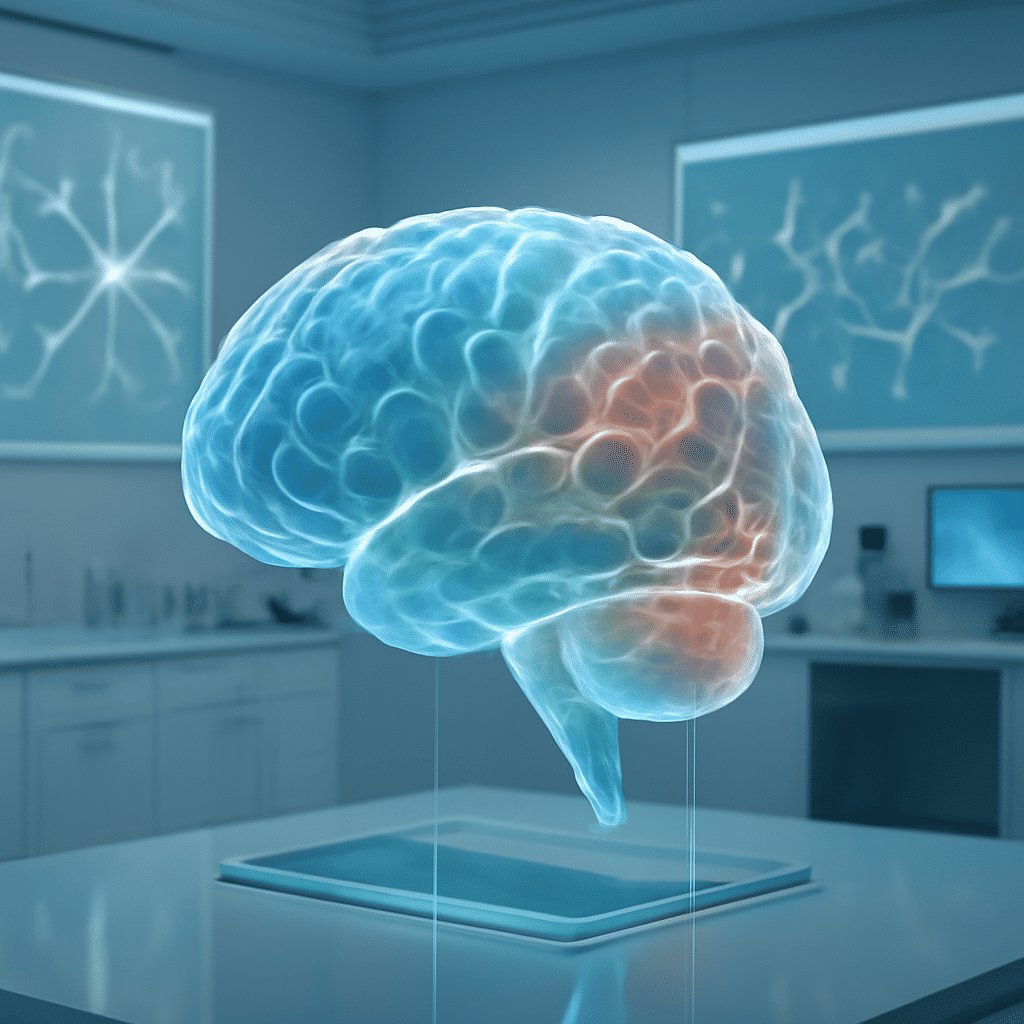
Exploring the fascinating landscape of the human brain has always been at the forefront of scientific inquiry. In recent years, our neuroscience department has spearheaded remarkable advancements, delving deeper into the complexities of human cognition and unlocking secrets that have long eluded researchers. The journey has been one of relentless curiosity, cutting-edge technology, and an unwavering commitment to understanding the very essence of what makes us human.
One of the crowning achievements in our department has been the development of advanced neuroimaging techniques. These innovative methods have enabled scientists to observe brain activity with unprecedented clarity. By employing functional Magnetic Resonance Imaging (fMRI) and Positron Emission Tomography (PET) scans, researchers can now visualize the intricate dance of neurons as they fire, allowing us to witness thought processes in real-time. This breakthrough has provided invaluable insights into how different regions of the brain communicate and collaborate to produce complex behaviors and cognitive functions.
Furthermore, advances in optogenetics have transformed our ability to manipulate neural circuits with precision. By using light to control cells within living tissue, neuroscientists can now activate or inhibit specific neurons, effectively mapping out the intricate pathways responsible for memory, emotions, and decision-making. This technique promises not only to expand our understanding of the brain's inner workings but also to pave the way for novel therapies targeting neurological disorders such as epilepsy, depression, and Alzheimer's disease.
Another exciting frontier explored by our department is the study of neuroplasticity — the brain's remarkable ability to reorganize itself by forming new neural connections. Understandably, this has profound implications for rehabilitation following brain injuries and strokes. Researchers are actively investigating how targeted physical and cognitive exercises can stimulate this natural adaptability, offering hope for recovery in patients where traditional medical interventions have had limited success.
Moreover, strides in artificial intelligence are aiding our exploration of cognitive sciences. Machine learning algorithms are now being employed to analyze massive datasets of brain activity, revealing patterns and correlations previously hidden from human analysis. These insights are assisting in the development of more sophisticated brain-computer interfaces, capable of translating neural signals into actionable commands for prosthetic devices, thus enhancing the quality of life for individuals with motor function impairments.
The ethical considerations of these innovations are not lost on us. As we endeavor to push the boundaries of what is scientifically achievable, our department is equally committed to addressing the moral and societal implications of our work. Rigorous ethical frameworks guide our research to ensure that advancements in neuroscience are implemented in ways that respect human dignity and enhance societal well-being.
In essence, the journey into the mysteries of the brain is rapidly evolving. With every discovery, new questions arise, driving us further into the heart of what it means to be sentient. The future of neuroscience holds tremendous promise, not just for understanding the brain itself, but also for harnessing this knowledge to alleviate human suffering and enrich our lives. Our department remains at the forefront of this exhilarating frontier, determined to continue unraveling the enigma of the mind.